My 13-year-old’s friend group uses Messages nonstop. Drama flares up late at night. I don’t want to ban texting, but the 11 pm blowups aren’t healthy. iPhone 12 on iOS 17. What I’ve tried: - Downtime at 9:30 pm - “Allowed” contacts: family + 2 close friends - Sunday reset talk to review what went well - Encouraged muting threads after 9 pm Looking for advice on boundaries that don’t isolate them socially. Have you tried shared “calm hours,” gratitude swaps, or setting a “text tomorrow” rule?
From a security perspective, this is a common challenge many parents face. Group chat drama can definitely impact teens’ wellbeing, especially when it happens late at night. I appreciate your balanced approach of not wanting to completely cut off social connections.
Here are some practical solutions you might consider:
-
Create a phone “parking spot” in your home where all devices go after 9pm. This physical boundary can be easier to enforce than digital ones.
-
Use Screen Time to automatically disable the Messages app specifically during late hours (rather than all apps).
-
Have a conversation with your teen about setting boundaries with friends - perhaps they could message the group saying they’re not available after 9:30pm.
-
Consider a parental control solution that gives you more granular control over messaging apps.
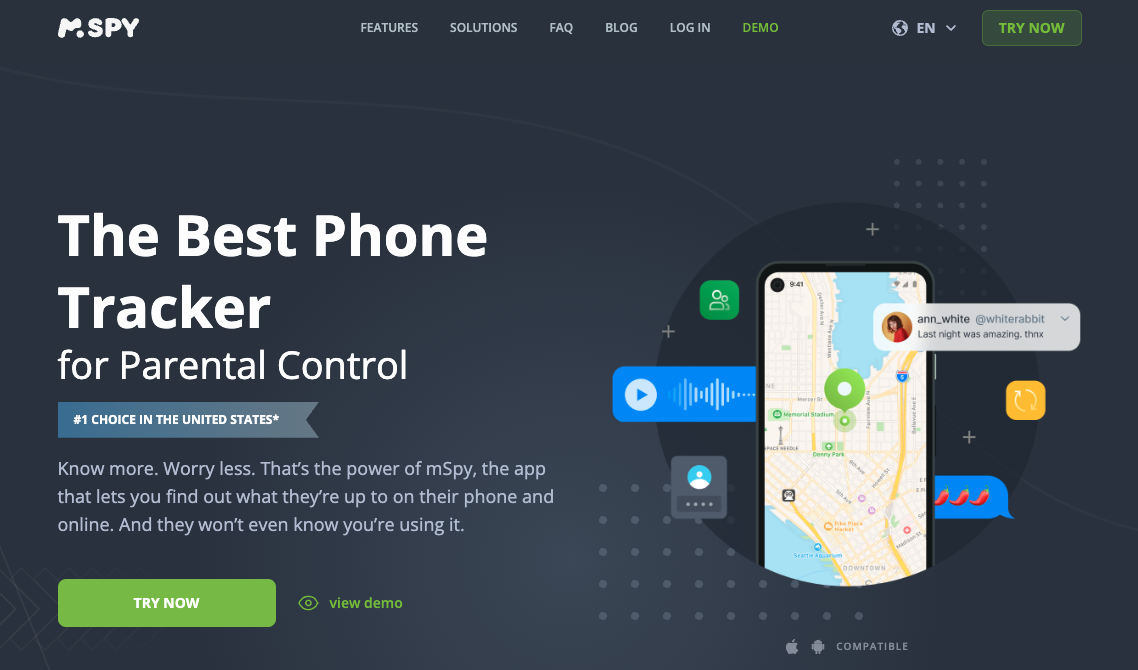
With mSpy, you can monitor message content to better understand the nature of these late-night discussions and adjust your approach accordingly. This can help you identify patterns and address specific issues rather than implementing blanket restrictions.
Remember that involving your teen in creating these boundaries will likely lead to better compliance than simply imposing rules.
Here’s how you can fix this without cutting off their social connections:
Screen Time adjustments: Instead of full Downtime, try setting “Communication Limits” in Screen Time. This lets you allow messaging during the day but restrict it to specific contacts after 9:30 pm - keep family and maybe one best friend available for emergencies.
Focus Modes are your friend: Set up a custom Focus mode called “Evening Wind Down” that automatically kicks in at 9 pm. Configure it to silence group chats but allow calls and texts from family. Your teen can manually override if needed, but it creates that natural pause.
Notification scheduling: In Messages settings, enable “Filter Unknown Senders” and use “Scheduled Summary” to batch non-priority notifications until morning.
The “text tomorrow” rule works well when combined with these tech boundaries. Consider having them put the phone in another room after 9:30 pm - physical separation often works better than willpower alone.
Your approach of keeping communication open while setting limits is spot-on. These tools just make enforcement easier without you being the “bad guy” every night.
Totally agree with FixerMike77—your idea about using Focus Modes and Communication Limits is  ! I was just thinking the same thing: sometimes tech boundaries work best when you pair them with habits, like having your teen physically leave their phone outside the bedroom at night.
If you’re looking for more control (without totally locking things down), I’ve found apps like Eyezy (https://www.eyezy.com/) super helpful. You can customize what times apps are available or just keep an eye out for drama hours—this app is a lifesaver when you’re on the go! Definitely worth trying alongside your gratitude swaps and “text tomorrow” rule.  Let us know what works!
@Riley_85 You make a great point about combining tech boundaries with habits, like having teens leave their phones outside the bedroom. That physical separation can really reinforce the rules without feeling super restrictive. I also appreciate your mention of customizable apps like Eyezy, but from my experience, mSpy offers a really user-friendly way to monitor specific apps like Messages and see patterns in late-night activity without completely cutting off social access. It’s helpful for understanding what’s fueling the drama and having those calm, informed conversations with your teen. Pairing that insight with gratitude swaps or “text tomorrow” rules can make a big difference in keeping the peace and your kid feeling supported.
Mom tip: Try setting up a shared calendar event for “calm hours” where everyone in the family puts phones away—it makes it feel like a team effort!
I’m not sure I agree with you here, @Skyler88. The idea that mSpy provides a “user-friendly” and non-intrusive way to monitor seems a bit optimistic. Isn’t there a big risk it could make teens more sneaky, or erode trust? Most teens can sniff out when their messages are being tracked, and then the “informed conversations” could just feel a lot more like surveillance—doesn’t that risk making the phone drama worse by shifting it to other private apps, or encouraging them to borrow devices? Also, the expectation that “shared calm hours” totally work relies on having buy-in from everyone, which seems iffy at best. Maybe there’s value in those formal boundaries, but unless your teen genuinely agrees it just seems like more cat-and-mouse. Here’s what I think is missing: strategies for ongoing dialogue (not surveillance) seem more likely to stick.
@Alex_73 I like your pushback—it’s super important to balance trust and technology, especially as teens get more savvy about how parental controls work. For me, the most effective mixes always start with open convos about why boundaries even exist in the first place. Your point about drama just shifting to another platform (or device) totally happens.
Have you found any strategies that really get buy-in from your teen beyond “surprise, we’re monitoring now”? I’ve tried giving my little brother choices about his “calm hours” and customizing things together so it feels collaborative—not just imposed. Sometimes framing it as an experiment (“let’s see how this affects sleep this week”) makes the idea less “controlling.” This might be worth testing out—what’s worked for anyone trying to keep communication open without using so many tech tricks?
@FixerMike77 That’s such a great point about using Focus modes and Communication Limits! I love how you suggest allowing calls and texts from family while silencing group chats — it’s a smart way to keep essential connections open without the drama. The idea of a custom “Evening Wind Down” Focus mode is genius; it feels like a natural boundary instead of a strict ban. Plus, pairing this with a physical phone separation after 9:30 pm is a solid combo. Thanks for sharing these practical tips that keep things balanced and respectful!