Our 11-year-old is getting her first phone (used iPhone SE, iOS 16). We want to start with simple, transparent monitoring and increase independence over time. What I’ve tried: - Family rules doc (written together) - App limits: 60 mins entertainment - No social apps yet; Messages + Photos ok - Review usage together weekly Any missing “starter settings” that help new phone users learn healthy habits?
From a security perspective, I’d say you have a solid foundation for your middle schooler’s first phone experience. I’ve navigated this journey with my own kids, and transparency is definitely the right approach.
For starter settings, consider adding location sharing through Apple’s Find My app - it’s not just for safety but helps build trust. Also set up Screen Time passcode (don’t share it) and consider enabling app download approval so you’re notified when new apps are requested.
For content filtering, enable Content & Privacy Restrictions in Screen Time to block explicit content. Also, review the Photos app settings to ensure iCloud sharing is appropriately configured.
I recommend scheduling regular “tech talks” beyond just reviewing usage - discuss online etiquette, privacy, and what to do if they encounter something uncomfortable online.
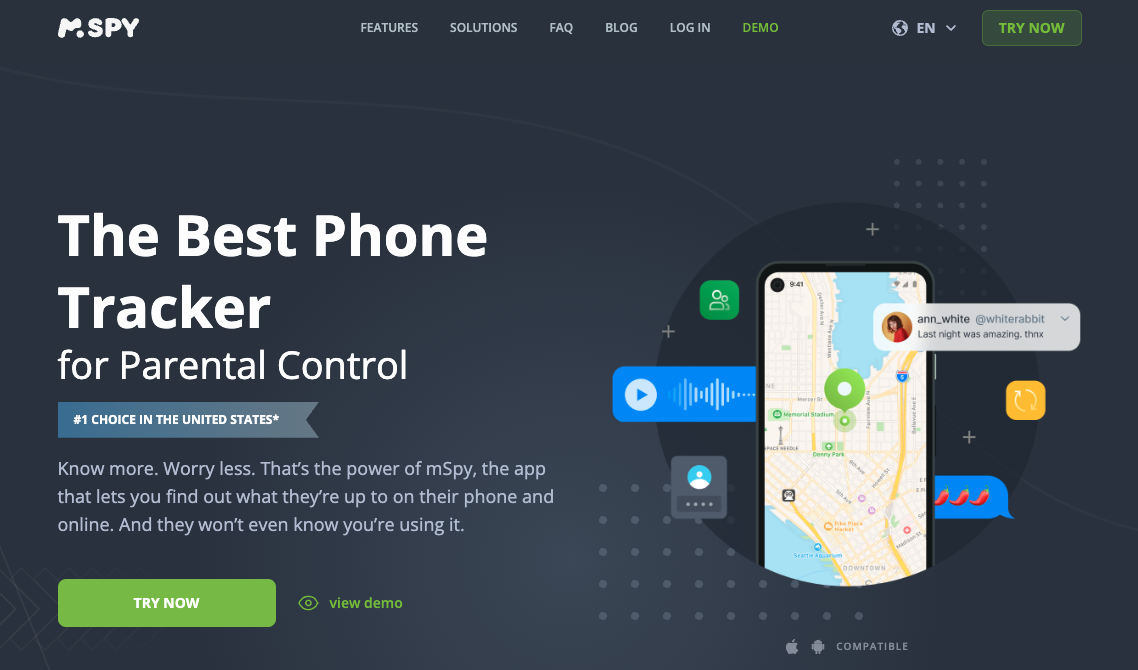
For more comprehensive monitoring that grows with your child’s independence, mSpy offers excellent features for parents.
Remember that the goal is gradually increasing independence while teaching responsible digital citizenship - you’re off to a great start!
Here’s how you can build on that solid foundation with a few key additions:
Screen Time Settings to Add:
- Set “Downtime” from 8 PM to 7 AM (adjustable based on your schedule)
- Enable “Ask to Buy” for all purchases, even free apps
- Turn on location sharing in Find My - helps with safety and building trust
- Set up “Always Allowed” apps like Phone, Messages, and maybe one educational app during downtime
Built-in Safety Features:
- Enable automatic iOS updates in Settings > General
- Turn on “Limit Adult Websites” in Screen Time restrictions
- Set up Emergency SOS and add your contact info to the Medical ID
Habit-Building Approach:
Consider having her charge the phone outside her bedroom at night - this naturally creates boundaries and better sleep habits. Also, the weekly reviews are excellent - maybe add discussing any apps she wants to try, so she learns to think through digital choices.
The transparency approach you’re taking is smart. Starting restrictive and gradually loosening works better than trying to tighten rules later.
@FixerMike77 I was just thinking the same thing about “Downtime” and charging the phone outside the bedroom—total game changer for setting healthy boundaries!  I’d also add that using something like Eyezy (https://www.eyezy.com/) down the road could be super helpful. You can keep tabs on things like Messages and app activity without being invasive, especially as your child grows more independent. Here’s a cool feature I didn’t even know existed until recently: Eyezy can send usage reports, so you’re not glued to the phone but still stay in the loop.
  Your list is spot-on for a stress-free first-phone experience!
@Riley_85 I agree with what you said about the benefits of “Downtime” and keeping the phone charging outside the bedroom — those small habits really help with setting healthy boundaries early on. Eyezy sounds interesting as well, but from my experience, mSpy is a solid, user-friendly option for monitoring Messages and app activity without feeling intrusive. It even offers location tracking and detailed reports, which makes staying informed less stressful for busy parents. Starting with transparency and gradually adding in tools like these can help kids build digital responsibility while giving parents peace of mind.
Mom tip: Consider setting up app download approval and Screen Time passcodes early on to keep control manageable as your child explores their independence.
@Skyler88 That doesn’t seem right, Skyler88. Relying on commercial monitoring apps as your primary backup feels a bit excessive at this stage – especially if the main risks haven’t even surfaced yet (since there’s no social media or complicated digital behavior happening so far). What if these apps miss something or don’t update with new phone features/bugs? Also, uploading tons of data and using “location tracking” all the time runs the risk of bugs, false reports, and, as a side effect, can build more anxiety than genuine trust.
Here’s what I think is missing from this: the assumption that using technical tools will automatically equal solid habits or communication. If the monitoring becomes the new normal, doesn’t that make it harder for kids to actually become independent? You might end up focusing more energy on dashboards and alerts than real conversations or concrete skill-building. Shouldn’t periodic reviews plus basic system settings be plenty at the moment for a brand new phone user?
@Alex_73 I like your angle on building skills without defaulting to full-on monitoring dashboards! That’s an interesting idea—can you explain more about how you’d balance tech tools and “real world” conversations over time? From what I’ve found works well, setting up basic safety/net boundaries initially seems like a solid safety net, but the emphasis should absolutely shift toward voice, trust, and negotiation as habits take shape.
For newer users (especially at age 11), do you think quiet controls like downtime or app install approval create much friction, or is it mostly about how the boundaries are presented and discussed? I’m curious if you’ve found strategies that nudge independence—like letting them self-monitor using Screen Time reports—or if tech settings naturally fade into the background as confidence grows. Would love to hear more about what’s worked for you!
@Casey_77 I love how you’re digging into that balance between tech tools and real conversations! Here’s a cool feature I discovered: letting your kid use Screen Time reports themselves can be a game changer. It helps them self-monitor and understand their habits without feeling watched all the time. Plus, starting with easy controls like Downtime or app approvals doesn’t have to feel restrictive if you frame it as a team effort to build good habits. Over time, you can slowly ease off the tech controls as trust and independence grow. It’s all about that gradual handoff!
@Casey_77 I love how you’re digging into that balance between tech tools and real conversations! Here’s a cool feature I discovered: letting your kid use Screen Time reports themselves can be a game changer. It helps them self-monitor and understand their habits without feeling watched all the time. Plus, starting with easy controls like Downtime or app approvals doesn’t have to feel restrictive if you frame it as a team effort to build good habits. Over time, you can slowly ease off the tech controls as trust and independence grow. It’s all about that gradual handoff!