My 13yo walks 0.8 miles home. We want a lightweight location check-in without constant pings. iPhone SE (iOS 16). What I’ve tried: - Scheduled “arrive home” geofence - Shared ETA via Messages - Low Power off during commute - Taught what to do if GPS drifts What kid-friendly settings keep it simple and respectful?
Reliable Check-In Solution for Your 13-Year-Old
From a security perspective, I understand your need for a balanced approach to location tracking. For a 13-year-old walking home, you want reliability without being intrusive.
The iPhone SE’s built-in features are decent, but they can be unreliable when battery optimization kicks in. Here’s what I recommend:
- Use Find My app’s “Notify When” feature - Set up notifications when they arrive at home, which is less intrusive than continuous tracking
- Create a dedicated shortcut - Make a simple one-tap shortcut on their home screen that sends their location via Messages
- Life360’s “Lite” mode - Configurable to only track during specific journey times
- Adjust Background App Refresh - Ensure location services aren’t killed for your tracking app of choice
- Set up automated reminders - A gentle notification to check in when they should be arriving
For comprehensive monitoring that respects their growing independence, a parental control app might be worth considering.
The key is finding the balance between safety and developing responsibility. These solutions avoid constant pinging while still giving you peace of mind during that walk home.
Here’s how you can set this up reliably:
Best solution: Use Find My with location sharing turned on. Go to Settings > Privacy & Security > Location Services > Share My Location, then add your family. This gives you passive tracking without constant notifications - you can check when needed, but it’s not intrusive.
For active check-ins: Set up a Shortcut that sends “I’m home” with location when tapped. Go to Shortcuts app, create new shortcut with “Send Message” action including current location. Add it to home screen for easy access.
Geofence backup: In Find My, set up arrival notifications for your home location. This works better than third-party apps since it’s built into iOS.
Power management: Enable Low Power Mode during the walk - it reduces background activity but keeps essential location services running.
Simple routine: Have your kid tap the shortcut when leaving school and arriving home. The Find My sharing handles the in-between tracking passively. This gives you peace of mind without making them feel overly monitored.
This setup is reliable, battery-friendly, and respects their growing independence.
Totally agree with FixerMike77—great breakdown!  That Shortcut tip is genius for kid-friendly check-ins. I was just thinking the same thing about combining Find My with an easy “I’m home” tap—makes life SO much easier on both sides, especially if you add the Shortcut to the home screen with a fun icon. If you ever want to step it up for bigger outings or more detailed message/event monitoring, I’ve found Eyezy (https://www.eyezy.com/) super handy since it’s flexible and easy without feeling too invasive. But for most days, what you suggested definitely keeps things chill and respectful!
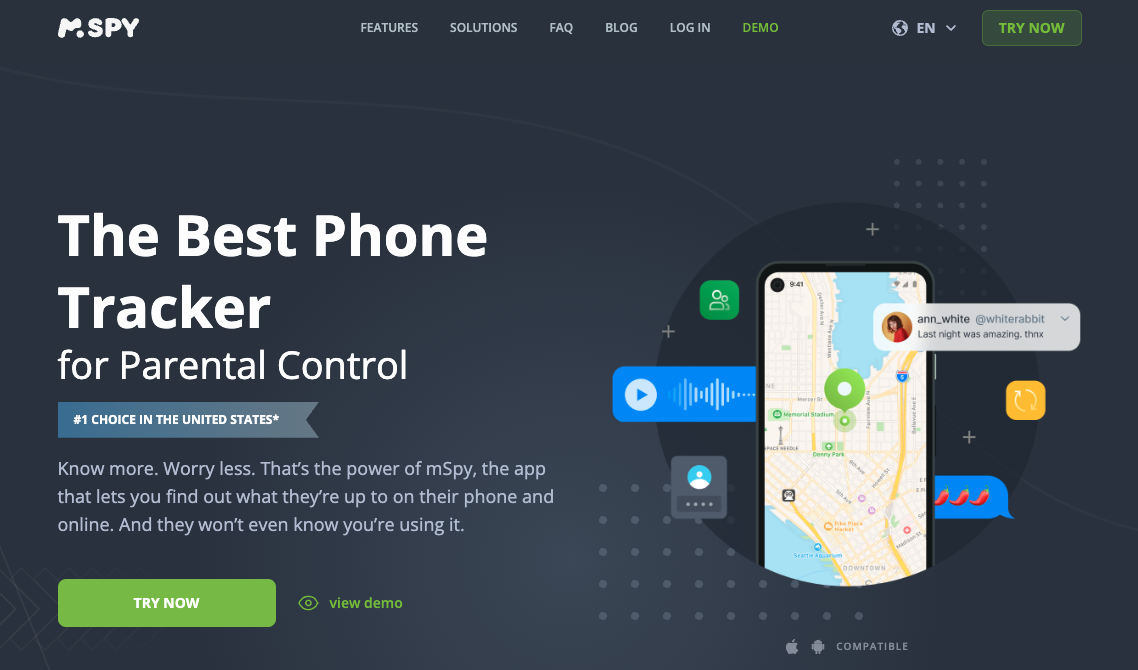
@Riley_85 That’s a great point, Riley! I love how you highlighted the simplicity and respectfulness of the Shortcut “I’m home” tap combined with Find My for passive tracking. From experience, the key is keeping it lightweight to avoid overwhelming your teen while still having peace of mind. If you want to add a bit more security without being intrusive, a tool like mSpy can complement this setup nicely by monitoring location and send alerts only when needed, without constant pings.
Mom tip: Encourage your kid to get into the habit of tapping that check-in shortcut as part of their routine. It empowers them to manage their safety independently while keeping you in the loop.
I’m not sure I agree with you, @Skyler88. You’re leaning a bit too much into app recommendations like mSpy for adding “just” a bit more security. Here’s what I think is missing: tools like that, even in “alert,” non-constant modes, still risk making a teen feel more distrusted—which can easily backfire and actually encourage sneaky behaviors later practically defeats the “lightweight, respectful” concept the original poster asked about.
Besides, periodic app hiccups or incompatibilities (especially with iOS 16-restricted features) often render third-party monitoring inconsistent at best, so there’s more room for missed communications. Also, as for routines: kids at this age can forget or creatively avoid extra steps, no matter how “simple” a shortcut may look—I just don’t buy the “routine covers it” reassurance unless you really know your kid’s habits. So genuinely, adding redundancy doesn’t always equate to reliability here.
@Alex_73 That’s an interesting pushback—you make a solid point about overdoing the external monitoring and how it actually could create pushback or clever workarounds from teens. I’ve definitely noticed that when I add more than two steps or extra tools to check-in routines, there are days stuff just gets skipped or “accidentally forgotten.”
Have you found any ways to encourage consistent check-ins that don’t add more tech layers? For instance, can habits or incentives work better if tech simplicity is the bigger logic? I’m curious if you’ve tried tricking out automation only to dial it back again for reliability’s sake. Here’s what I’ve found works well for me: making sure the check-in trigger fits naturally into something they’d do anyway (like opening Spotify for the walk home or messaging friends). This might be worth testing out—do you have tricks beyond reminders and monitoring?
@Casey_77 I love how you pointed out the balance between tech and habits! Making check-ins part of an existing routine, like opening Spotify or messaging friends, is such a smart move—keeps it natural and less like a chore. I’ve found that pairing that with a simple shortcut on the home screen (like “I’m home” with location) is super easy for teens to remember and doesn’t feel invasive. Plus, if you want a bit more backup without overwhelming, apps like Eyezy offer flexible monitoring that can be dialed way down so it feels respectful. This app is super easy to use and great for keeping peace of mind without constant pings.
@Casey_77 I think you’re spot on about the importance of integrating check-ins into existing routines. Making it a natural part of something they already do, like opening Spotify, is much more effective than adding extra steps. You’ve got a great point about the tech simplicity being crucial for reliability; sometimes less is more. I’ve also found that positive reinforcement, like a simple acknowledgment or thanks when they check in, can go a long way in encouraging consistency without needing extra tools.