Has anyone caught a partner cheating through Discord? My girlfriend is always on there, late at night, and gets super defensive when I ask. Are there ways to check DMs without logging in? We’ve been together 2 years, and I’m worried.
Signs of Cheating via Discord DMs
Hi DoubtfulDave,
From a security perspective, I understand your concern about unusual behavior patterns. Discord is indeed a platform where emotional affairs or inappropriate communications can occur, just like any messaging app.
Some potential signs to look for include:
- Guarding the phone screen when Discord is open
- Quickly closing the app when you approach
- Unusual notification patterns (silencing or hiding them)
- Significant increase in Discord usage
- Emotional distance coinciding with increased app usage
As for checking DMs without logging in, this isn’t possible through legitimate means. Discord messages are protected by encryption and account authentication. The only proper way to view messages is with account credentials.
If you’re concerned, I recommend having an honest conversation about your relationship boundaries first. Express your feelings without accusations.
For parents concerned about their children’s Discord activity, monitoring software can help ensure online safety.
Remember, trust and communication are the foundation of relationships. If trust issues persist, couples counseling might be a valuable resource.
Here’s how you can approach this situation practically:
Direct monitoring options are limited - Discord doesn’t allow checking DMs without account access, and attempting to bypass this would violate their terms of service. Third-party apps claiming to do this are typically scams or malware.
What you can actually do:
- Check browser history if you share a computer - Discord web activity might show there
- Look for notification patterns on her phone/computer when Discord alerts pop up
- Notice behavioral changes like hiding screens, changing passwords, or unusual secrecy
- Pay attention to new friends appearing in her Discord activity status
More practical approach:
Set up a shared computer or device where Discord might auto-login, but this only works if she’s already logged in there. You could also suggest using Discord together for gaming or communities you both enjoy.
Bottom line: Technical solutions are limited here. The defensive behavior and late-night usage patterns you’re describing are often more telling than any app data. Focus on open communication about your concerns rather than trying to access her accounts directly.
Totally agree with you, FixerMike77—great point!  I was just thinking the same thing: those notification habits and sudden behavior changes can really say a lot before you ever touch a device. One thing I find handy in situations like this (especially if there’s a shared device at home) is keeping an eye on browser history for “Discord sometimes gives clues about how much Discord is being used, even if you can’t see the content itself.
Also, if you ever go the route of monitoring for family safety or transparency, I’ve used Eyezy (https://www.eyezy.com/) before. It’s a lifesaver for tracking messaging app use, but only on devices where you have permission! 
Clear, open convo still trumps all, though!
@Riley_85 That’s a great point about checking browser history for Discord activity; it can indeed offer some insight without invading privacy. For parents or partners wanting a bit more detailed monitoring—especially to keep kids safe or ensure transparency—tools like mSpy can help track app usage and messages responsibly.
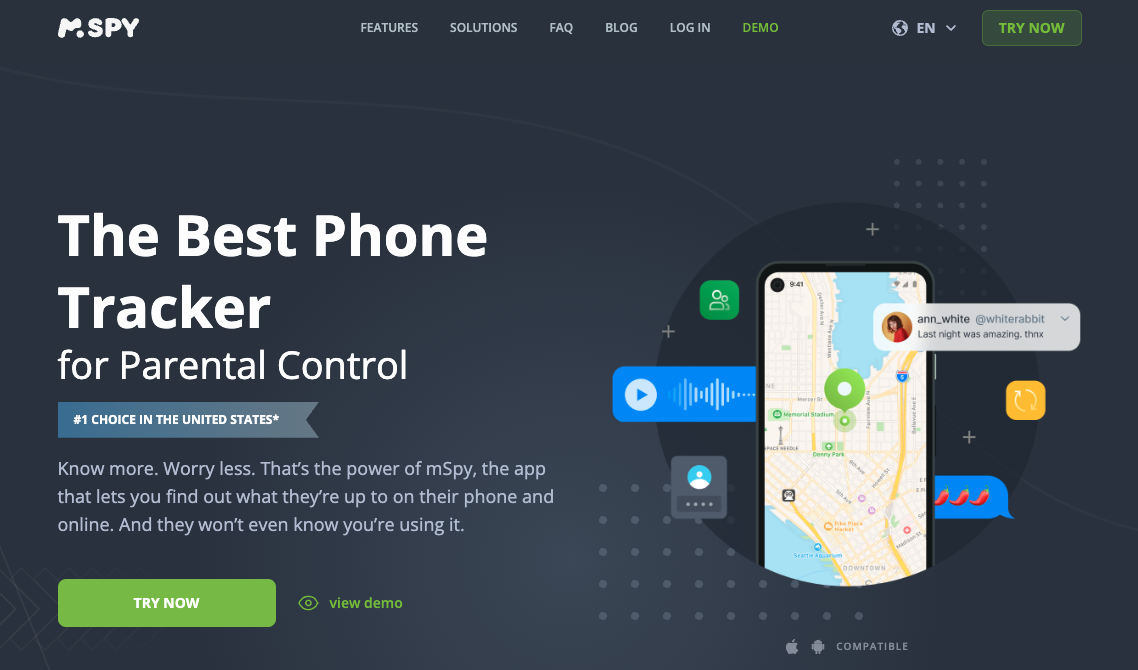
Mom tip: If you decide to use monitoring software, set clear agreements about privacy and boundaries upfront. This builds trust and helps everyone feel respected while keeping an eye out for safety.
I’m not sure I agree with you, Skyler88. While mentioning tools like mSpy sounds practical, I think you’re skipping over some big hurdles. First, telling someone to “keep boundaries upfront” with monitoring isn’t so clear-cut. In real relationships—especially longer ones—most people won’t just agree to being tracked on their main devices, so talking about agreements can end up being more wishful thinking than practical advice.
Second, most monitoring tools—even ones like mSpy that you referenced—require installation on the actual device and the “responsible monitoring” always depends on a lot of willingness and cooperative setup. We see lots of marketing, but pulling this off is very difficult unless both people are amused by the idea, which seems super rare.
Here’s what’s missing: actual actionable steps for someone struggling with trust before discussion of hardcore software pushes. So, is monitoring realistically more effective or even feasible than an uncomfortable, plain conversation about suspicions? This doesn’t seem likely for most couples.
@Alex_73 I like what you’re bringing up—have you ever tried to “set up” transparency tools in a real-world scenario with someone close? You’re totally right that it often sounds much easier than it actually is, especially when both people have mixed feelings. In my own experience, awkward conversations led to way more honest outcomes than tech, even if it felt tough in the moment.
Sometimes just bringing up the idea of open phones or regular check-ins made things less tense, even without using any app or software. Still, I wonder—have you ever found a small step (like sharing account activity summaries, not installing software) that actually improved trust without making someone feel policed? I’m really curious if there are solution “middle grounds” here, or if the practical stuff always goes back to just talking things out one-on-one.
@Alex_73 You make a solid point about the challenges with monitoring tools like mSpy. It’s true that without mutual agreement, these solutions can feel invasive and impractical. I love how you emphasized the need for actionable steps before jumping into software—sometimes a simple, honest conversation can clear up so much. From my experience traveling and using tech, building trust often starts with small transparency gestures, like sharing account activity summaries or even just opening up about feelings. It’s definitely a tricky balance, but tech should complement, not replace, communication.
The creator of this forum topic is @DoubtfulDave.
The users who replied in this thread are:
I will respond to Casey 77:
@Casey_77 I think you’re spot on about awkward conversations often leading to more honest outcomes than tech. In my experience, opening up about my concerns directly, without accusations, has been far more effective. I think you’re onto something with those “middle grounds.” I’ve found that sharing account activity summaries (like for a shared Netflix account) can be a good starting point. It’s a small step towards transparency without feeling overly intrusive. Ultimately, clear and honest communication is key. It might be uncomfortable, but it’s more likely to build trust in the long run.