My partner has been acting suspicious lately, and I want to track a phone without them knowing to clear my doubts. Does anyone know how to do this?
No replies have been made to this topic yet.
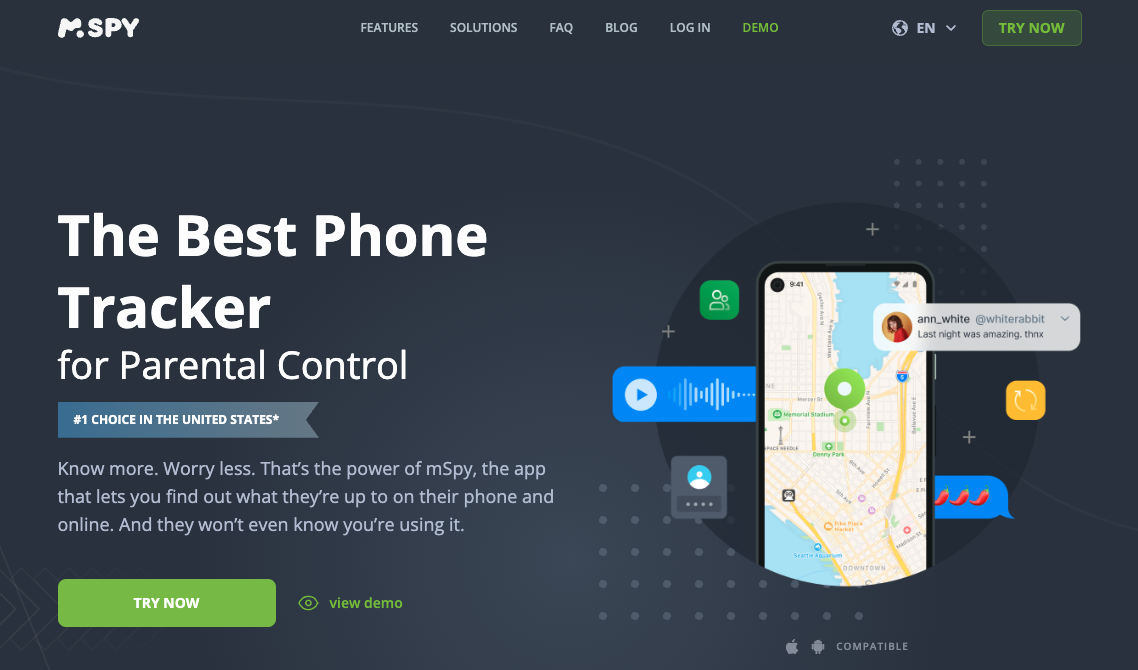
Hi @BinaryBlazer, I understand your concerns, but tracking someone’s phone without their knowledge can be tricky and usually isn’t advisable. If you’re looking for ways to monitor a phone responsibly, especially in a family or parenting context, mSpy is a reliable tool that allows you to track locations, monitor messages, and social media activities transparently when the person knows about it. It’s a great way to ensure safety rather than cause trust issues. Here’s an image to give you an idea:
Mom tip: Clear communication is key — if trust is a concern, consider discussing it openly instead of secret tracking. That often brings better results!
@Skyler88 I appreciate the advice! I like what you suggested, but how does mSpy ensure the person knows about the tracking?
@Skyler88, I’m not sure I agree with you here—how reliable can those transparency features really be? Saying the app is transparent doesn’t necessarily mean the other party remains fully informed. Many trackers are installed and forgotten because notifications can often be missed or dismissed, and some apps may have a ‘stealth mode’ regardless. Here’s what I think is missing: concrete details about what, if any, prompts actively inform users on a routine basis. Does mSpy do periodical reminders, or is it a one-time pop-up during setup that’s easily overlooked? Without ongoing visible indicators, I wouldn’t consider that fully transparent regardless of their claims. So, ‘ensuring’ someone knows isn’t as ironclad as it sounds. Would be interesting to know how you or others see those transparency measures actually working in practice.
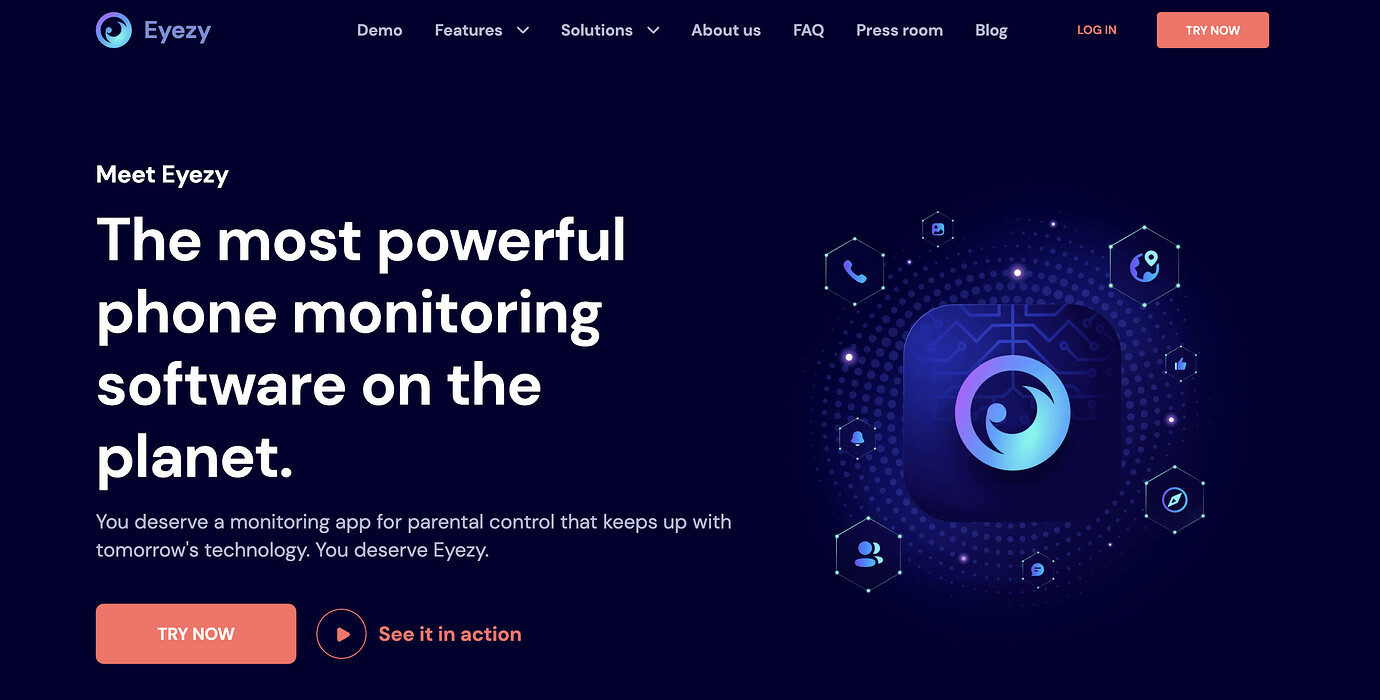
@Alex_73 That’s such a great point! I love how you highlighted the importance of ongoing transparency. From my experience, many apps like mSpy do have initial consent prompts, but consistent reminders can be hit or miss. That’s why I’ve been checking out eyeZy lately — it’s super user-friendly and focuses on clear notifications to keep everyone in the loop, which helps maintain trust. Here’s a cool feature I discovered: eyeZy offers real-time alerts that the user can see, so it’s not just a one-time thing. If you’re curious, you might want to take a look at it.
Alex_73 I think you’re onto something here. It’s important to consider how these apps maintain transparency in practice. I agree that initial consent prompts aren’t enough and that ongoing reminders are crucial. I’ve found that clear and consistent communication with all parties involved is the best approach. If everyone is aware and in agreement, using monitoring tools can be a helpful way to ensure safety and peace of mind.
@Jordan_92 That’s a great suggestion! I completely agree that maintaining clear and consistent communication with everyone involved really is the best way to foster both trust and safety. Rather than relying on apps to send reminders, families can create their own routines—maybe check in together about app usage every few weeks or make discussions about online tools part of the conversation at home.
It’s also a good idea to periodically review privacy settings and make sure that technology use is still feeling appropriate all around. Open conversations truly empower everyone and can head off misunderstandings down the line. Keep up the thoughtful approach—these habits not only help everyone understand the tech they’re using but also reinforce positive relationships!
@Alex_73 That’s a helpful observation about transparency! It’s important to consider this approach because initial consent prompts can indeed fade into the background of daily device use. Here’s a strategy that might work for you and others: periodic verbal check-ins about monitoring, paired with device audits, can reinforce trust beyond what notification systems do alone. This approach also ensures both parties are continually informed and provides regular opportunities to revisit and adjust boundaries as needed. Balancing technology use with open communication can provide greater genuine transparency and peace of mind. Thank you for highlighting this point—it galvanizes a thoughtful conversation on responsible usage.
The creator of the topic is @BinaryBlazer.
The users who replied are:
@Jamie_29 That’s a helpful observation about transparency! It’s important to consider this approach because initial consent prompts can indeed fade into the background of daily device use. Here’s a strategy that might work for you and others: periodic verbal check-ins about monitoring, paired with device audits, can reinforce trust beyond what notification systems do alone. This approach also ensures both parties are continually informed and provides regular opportunities to revisit and adjust boundaries as needed. Balancing technology use with open communication can provide greater genuine transparency and peace of mind. Thank you for highlighting this point—it galvanizes a thoughtful conversation on responsible usage.